Prevent cavities before they start with dental sealants
Roam Dental in Shelby Township applies protective dental sealants to shield the deep grooves of molars from decay — a quick, painless, and highly effective preventive treatment for children, teens, and adults with cavity-prone teeth. Dr. Virgil Barbu uses BPA-free sealant material to create a smooth barrier that prevents food and bacteria from settling into fissures where brushing cannot reach. Patients from Shelby Township, Utica, Sterling Heights, and across Macomb County choose sealants to prevent cavities before they start. Schedule a sealant visit or call (586) 500-7647.
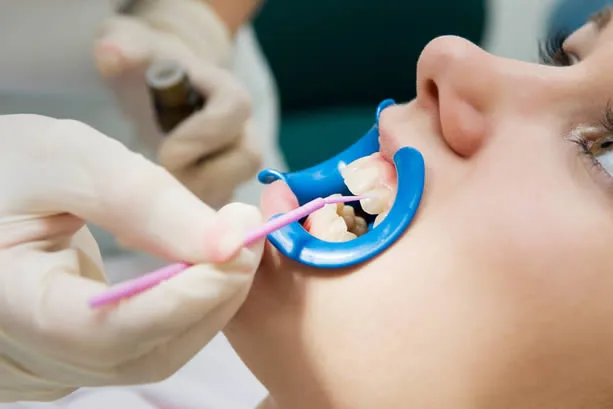
Dental sealants are a preventive dental treatment designed to protect the chewing surfaces of your teeth from decay. They are a thin, plastic coating that is painted onto the grooves and pits of your teeth, forming a protective barrier against harmful bacteria and acids that can cause cavities.
Sealants are most commonly used on the molars and premolars, which are the teeth at the back of the mouth that are used for chewing. By providing an extra layer of protection, dental sealants can help to reduce the risk of tooth decay and the need for more extensive dental treatment in the future. If you're looking to maintain good oral health and prevent cavities, dental sealants may be a smart choice for you.
Sealants are one of the highest-ROI preventive treatments in dentistry. For the cost of a single filling, four or more molars can be protected from decay for years. They are especially valuable for children as soon as the permanent molars erupt around age 6.
Adults benefit from sealants as well, especially those with deep grooves on back teeth and a history of cavities. Each patient's individual risk is evaluated and sealants are recommended where they will deliver real prevention value.
Reviewed by Dr. Virgil Barbu, DDS · Roam Dental, Shelby Township, MI
Cleaning: First, your dentist will clean the teeth that will receive the sealants. This ensures that no debris or bacteria are present on the tooth surface, allowing the sealant to bond properly.
Drying: Once the teeth are clean, your dentist will use an air compressor or other drying tool to ensure that the tooth surface is completely dry. Moisture can interfere with the bonding process, so this step is crucial.
Etching: Next, your dentist will apply a mild acid solution to the tooth surface. This etches the surface of the tooth, creating a rough surface that helps the sealant bond to the tooth.
Application: Once the tooth surface is prepared, your dentist will apply the sealant to the grooves and fissures of the tooth using a small brush. The sealant is a liquid resin that hardens quickly once applied.
Curing: Finally, your dentist will use a special light to cure or harden the sealant. The light activates the resin, causing it to harden and form a protective barrier on the tooth surface.
The entire process typically takes only a few minutes per tooth and is painless. With proper care, dental sealants can last for several years, providing long-lasting protection against tooth decay.
Dental sealants are a highly effective preventative measure that offer several benefits to individuals of all ages:
Sealants reduce the risk of decay in the permanent molars by up to 80%, making them one of the most effective preventative treatments available for children.
No drilling, no shots, no discomfort. The entire sealant application process takes only a few minutes per tooth and is completely non-invasive.
When properly applied and maintained, dental sealants can protect teeth from decay for up to 10 years — with routine monitoring at each checkup.
The CDC estimates that for every dollar spent on sealants, $8–$38 can be saved in future dental treatment costs by preventing fillings, crowns, and root canals.
Dental sealants have been recommended by the ADA and CDC for decades. They are safe for patients of all ages and have an extensive track record of clinical effectiveness.

Dental Sealants is a good fit if you are:
This may not be the right option if:
Here is exactly what happens at your appointment at Roam Dental. Knowing each step makes the experience far less intimidating — and lets you relax knowing what comes next.
These are the questions patients at Roam Dental ask most often before committing to treatment. Dr. Barbu addresses each one honestly at your consultation.
"Sealants seem like an extra charge I don't need"
A single cavity and filling costs more than sealing multiple molars. For cavity-prone teeth — especially in children — sealants are one of the highest-ROI preventive treatments available.
"Aren't sealants just for kids?"
Children benefit most because they're still learning to brush well, but adults with deep molar grooves and a history of decay also benefit. Dr. Barbu evaluates every patient individually.
"Will the sealant come off?"
Properly placed sealants typically last 5–10 years. If one chips or wears down, it's quick and inexpensive to repair at your next visit. We check sealants at every cleaning.
Every procedure has tradeoffs, and transparent conversation about them is part of informed consent. Dr. Barbu reviews these at your consultation and answers every question before treatment begins.
Dental sealants are made of a plastic-like material called resin.
When applied and maintained properly, dental sealants can last up to 10 years.
No, dental sealants are painless and do not require any numbing or anesthesia.
Dental sealants are typically used on the molars, which are more prone to decay due to their deep grooves and fissures.
Yes. At our Shelby Township dental office we offer dental sealants to patients from Shelby Township and the surrounding area. Contact our office today to schedule an appointment.
Sealants are typically recommended as soon as permanent molars erupt — usually around age 6 for the first molars and age 12 for second molars. Earlier is better because sealants protect teeth during the years they are most vulnerable to decay.
Sealants typically last 5–10 years with proper care. Dr. Barbu will check sealants at every cleaning and reapply or repair them if they chip or wear down.
Most dental insurance plans cover sealants for children and teens at 100% as a preventive service. Coverage for adult sealants varies — we verify benefits before your visit.
Sealants are typically recommended as soon as permanent molars erupt — usually around age 6 for the first molars and age 12 for second molars. Earlier is better because sealants protect teeth during the years they are most vulnerable to decay.
Sealants typically last 5–10 years with proper care. Dr. Barbu will check sealants at every cleaning and reapply or repair them if they chip or wear down.
Most dental insurance plans cover sealants for children and teens at 100% as a preventive service. Coverage for adult sealants varies — we verify benefits before your visit.
Sealants are typically recommended as soon as permanent molars erupt — usually around age 6 for the first molars and age 12 for second molars. Earlier is better because sealants protect teeth during the years they are most vulnerable to decay.
Sealants typically last 5–10 years with proper care. Dr. Barbu will check sealants at every cleaning and reapply or repair them if they chip or wear down.
Most dental insurance plans cover sealants for children and teens at 100% as a preventive service. Coverage for adult sealants varies — we verify benefits before your visit.
Medical Disclaimer
This content is for informational purposes only and does not constitute dental or medical advice, diagnosis, or treatment. Sealant application is non-invasive and carries minimal risk. Rarely, a sealant may dislodge and need reapplication. Some older formulations contained BPA; Roam Dental uses BPA-free materials. Consult Dr. Virgil Barbu or a qualified dental professional regarding any questions about your oral health. Individual results may vary.
Contact our office to learn how dental sealants can help prevent cavities and keep your smile healthy.