Early dental care sets the foundation for a lifetime of healthy teeth
Roam Dental in Shelby Township offers comprehensive preventative dentistry — the foundation of long-term oral health, including routine cleanings, exams, x-rays, fluoride treatments, sealants, and oral cancer screening. Dr. Virgil Barbu takes a prevention-first approach because small problems caught early are easier and less expensive to fix than big problems ignored for years. Patients from Shelby Township, Utica, Sterling Heights, and across Macomb County trust Roam Dental for family preventive care. Schedule your visit or call (586) 500-7647.
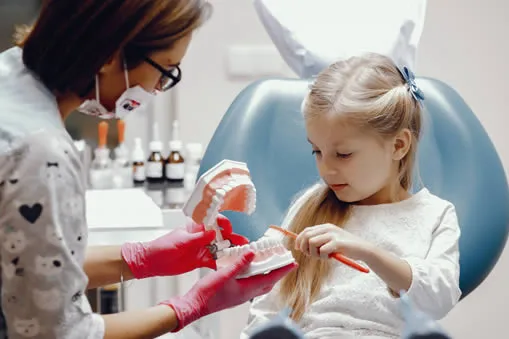
Preventative dentistry in children is the practice of taking proactive measures to prevent oral health problems before they occur. Your dentist will educate you and your child on proper oral hygiene techniques, including brushing twice a day with fluoride toothpaste and flossing daily. They can also monitor your child’s dental development and recommend orthodontic treatment if necessary.
During regular dental check-ups, your dentist can provide preventive treatments such as the application of fluoride and sealants to help prevent tooth decay. They can also identify any potential dental issues early on and provide appropriate treatment before they become more serious.
At our dental office we can also provide advice on sports safety and the use of mouthguards to prevent dental injuries. They may also offer dietary recommendations to help your child maintain good oral health.
By emphasizing preventative dentistry for children, your dentist can help ensure that your child develops healthy oral habits, prevent future dental problems, and maintain healthy teeth and gums for life.
Expect x-rays
A pediatric dental cleaning is a comprehensive appointment that includes various preventive treatments to maintain a child’s oral health. Along with cleaning the teeth and gums, the dental hygienist may also take x-rays to identify any underlying dental issues that may not be visible during a physical examination.
Expect a thorough cleaning
The dental hygienist will use a specialized instrument called a scaler to scrape plaque or tartar buildup from the teeth and gums. Next, they will use an ultrasonic dental tool to clean all sides of the teeth. Finally, the dental hygienist will polish the teeth using a rotary brush and a polishing paste to remove any surface stains and make the teeth feel smooth.
Expect fluoride and sealants
The application of fluoride and sealants is another essential part of the preventive treatment. Fluoride is a mineral that helps strengthen the teeth and protect against decay. The dental hygienist may apply fluoride in the form of a gel, foam, or varnish. Sealants, on the other hand, are thin, protective coatings that are applied to the chewing surfaces of the molars to prevent decay.
Expect guidance on oral hygiene
After the cleaning, the dental hygienist will also provide advice on proper oral hygiene techniques and offer tips on maintaining good oral health at home. They may also recommend a follow-up appointment and schedule regular dental cleanings for your child.
By scheduling regular pediatric dental cleanings, parents can help ensure their child’s oral health, prevent future dental problems, and establish good oral hygiene habits that will benefit them throughout their lives.
More Questions about children’s dental cleaning?
Contact our office today to schedule a dental cleaning at Roam Dental. We look forward to seeing you.
Preventative dentistry is an essential aspect of oral healthcare, and it is especially important for children. It involves taking proactive measures to prevent oral diseases, such as tooth decay and gum disease. By teaching children good oral hygiene habits and providing them with the necessary tools, parents can help their children maintain good oral health throughout their lives. Here are some of the ways parents can practice preventative dentistry for their children:
Brushing, flossing, and oral habits:
Monitoring the child’s dental development
Parent involvement and proper diet
Sports safety:
Untreated tooth decay in children can lead to a number of serious complications, ranging from pain and discomfort to more serious infections and health problems. Here are some of the potential complications that can arise from untreated tooth decay in kids:
Pain and discomfort
Untreated cavities can cause toothaches, sensitivity to hot and cold temperatures, and pain when chewing. This can make it difficult for children to eat, sleep, and concentrate in school.
Infections
Tooth decay can lead to infections that can spread to other parts of the body, including the gums, jaw, and even the bloodstream. In severe cases, these infections can be life-threatening.
Tooth loss
If cavities are left untreated, they can eventually lead to the loss of the affected tooth. This can have serious consequences for a child’s oral health, including difficulty eating and speaking.
Nutritional deficiencies
If a child is unable to eat properly due to tooth pain, they may not be getting the proper nutrition they need for healthy growth and development.
In order to prevent these complications, it is important to schedule regular dental check-ups for your child and to address any signs of tooth decay as soon as they arise. By maintaining good oral hygiene habits and seeking prompt treatment for dental problems, you can help ensure your child’s oral health and overall well-being. Contact our Roam Dental today to schedule a child’s dental cleaning. We look forward to seeing you.
Dental sealants are a preventive treatment that involves applying a thin plastic coating to the chewing surfaces of the back teeth to protect them from decay.
The process of applying dental sealants is simple and painless. The dental hygienist first cleans the teeth to remove any debris and then dries them thoroughly. The sealant material is then painted onto the grooves and fissures of the teeth and allowed to dry for a few seconds. Sometimes a special light is used to help the sealant harden.
Once the dental sealants are in place, they create a barrier between the teeth and harmful bacteria and acids that can cause cavities. Dental sealants are particularly effective for children and teenagers who may have difficulty reaching the back teeth with their toothbrushes. The procedure is quick and easy, and typically takes only a few minutes per tooth. Dental sealants are a safe and effective way to help protect your child’s teeth and maintain good oral health.
Fluoride is a mineral that works by remineralizing areas of the tooth enamel that may have been weakened by acid produced by bacteria in the mouth. Fluoride treatments can help strengthen teeth and making them more resistant to decay,
During a chairside fluoride treatment, the dentist will first thoroughly clean the teeth to remove any plaque or debris. The fluoride gel or varnish is then applied to the teeth using a brush, swab, or tray and left on the teeth for a few minutes to allow for absorption. Some dentists may use a special light to help activate the fluoride and improve its effectiveness.
After the treatment, the patient is advised not to eat or drink anything for at least 30 minutes to allow the fluoride to fully absorb into the teeth.
Chairside fluoride treatments are a quick and painless procedure that can provide significant benefits for maintaining good oral health.
Digital X-rays and comprehensive exams identify cavities, gum changes, and developmental issues before they cause pain or require complex treatment.
Professional cleanings every six months remove tartar and plaque that daily brushing cannot, protecting the gums and keeping enamel smooth and strong.
Low-radiation digital X-rays provide a complete view of tooth and bone health, catching problems between teeth and below the gumline that clinical exams cannot see.
Dental sealants protect the deep grooves of permanent molars from decay-causing bacteria, reducing cavity risk in the back teeth by up to 80%.
Professional fluoride varnish strengthens developing enamel and can even reverse early-stage decay, making it a vital part of every child's preventative program.
We teach children proper brushing and flossing technique and coach parents on nutrition, habit management, and home care — knowledge that compounds over a lifetime.
Here is exactly what happens at your appointment at Roam Dental. Knowing each step makes the experience far less intimidating — and lets you relax knowing what comes next.
These are the questions patients at Roam Dental ask most often before committing to treatment. Dr. Barbu addresses each one honestly at your consultation.
"If nothing hurts, why do I need preventive care?"
Most dental problems don't hurt until they're advanced. Routine exams and cleanings catch cavities, gum disease, and oral cancer while they're easy and cheap to fix — or prevent altogether.
"Isn't this just a money grab?"
Preventive care is typically the cheapest dentistry you'll ever buy — and it prevents the expensive stuff. Insurance usually covers it at 100% precisely because it saves the insurance company money long-term.
"Can't I just use fluoride toothpaste at home?"
Home care is the foundation, but it doesn't replace professional care. Hygienists remove tartar you can't, and Dr. Barbu catches problems you can't see in a mirror.
Every procedure has tradeoffs, and transparent conversation about them is part of informed consent. Dr. Barbu reviews these at your consultation and answers every question before treatment begins.
Preventative dentistry is not glamorous, but it is where the real wins happen. Patients who come in consistently for cleanings and exams avoid 80% of the problems that bring other patients to the chair. It is the single highest-ROI thing anyone can do for their oral health.
The goal is keeping teeth healthy for a lifetime. That means educating patients on home care, catching issues while they are small, and building a long-term relationship so changes can be spotted before they become problems. Prevention is always cheaper than treatment.
Reviewed by Dr. Virgil Barbu, DDS · Roam Dental, Shelby Township, MI
How often should my child have a dental check-up?
Children can start using toothpaste with fluoride as soon as their first tooth appears.
Can pacifier use lead to dental problems in children?
Yes, prolonged thumb sucking can cause misalignment of the teeth and bite problems.
Yes. At our Shelby Township dental office we offer preventative dentistry for children in Shelby Township and the surrounding area. Contact our office today to schedule an appointment.
Most patients benefit from a checkup and cleaning every 6 months. Patients at higher risk (gum disease, diabetes, heavy tartar) may need visits every 3–4 months. Dr. Barbu will recommend the right interval for you.
Most dental insurance plans cover preventive services (cleanings, exams, x-rays, fluoride, sealants) at 100%, often twice per year. We verify your benefits before every visit.
Brush twice daily with fluoride toothpaste, floss daily, limit sugary snacks and drinks, don't use teeth as tools, and come in for regular checkups. Dr. Barbu will review your home care during every visit and tailor advice to your specific situation.
Medical Disclaimer
This content is for informational purposes only and does not constitute dental or medical advice, diagnosis, or treatment. Preventive procedures carry minimal risk. Digital x-rays use very low radiation doses. Some patients experience temporary sensitivity after cleanings, especially with significant tartar buildup. Consult Dr. Virgil Barbu or a qualified dental professional regarding any questions about your oral health. Individual results may vary.
Contact our office to discuss how this treatment can help you achieve your dental health goals.