
Roam Dental in Shelby Township performs gentle tooth extractions — including simple extractions, surgical extractions, and wisdom tooth removal — with local anesthesia and optional sedation for a comfortable experience. Dr. Virgil Barbu uses CBCT imaging to plan complex extractions, especially when roots sit near nerves or sinuses. Patients from Shelby Township, Utica, Sterling Heights, and across Macomb County trust Roam Dental for safe, efficient extraction procedures. Schedule an evaluation or call (586) 500-7647.
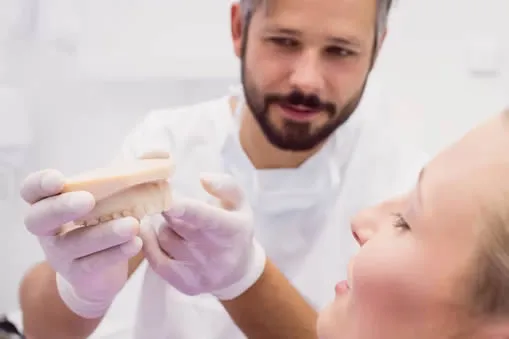
Periodontal disease is often the leading cause of tooth extraction, and if needed, there are several ways that we can go about the procedure. First and foremost, we will administer a numbing agent to the specific area to minimize any discomfort you may feel. Though you may experience slight pressure during the process, you can otherwise expect a comfortable and relaxed experience. If the tooth has matured and emerged from the gum line, our dentist at Roam Dental may use specialized dental instruments to gently wiggle the tooth and remove it from the socket. The area will then be thoroughly cleaned, and gauze will be applied to prevent bleeding during the recovery period. However, if the tooth is impacted or still beneath the gum line, such as with wisdom teeth, oral and maxillofacial surgery may be necessary. During this procedure, we will create an incision in the gums and gently lift the flap to access the impacted tooth. If needed, we may have to remove any bone or tissue that is covering the tooth. In some cases, we may need to break the tooth into smaller pieces for removal. Once the tooth has been successfully removed, we will clean the area thoroughly before placing the flap back down and suturing it in place. Following tooth extraction and bone grafting, a blood clot will form in the socket, and we will use gauze to control any bleeding.
Extraction is always the last resort at Roam Dental. A tooth saved with a root canal and a crown is preferred over one removed. But when a tooth is beyond saving, a clean, careful extraction is the best way to protect the surrounding bone and set up future treatment options like an implant.
For complex extractions, CBCT 3D imaging is used to see exactly where the roots sit in relation to the inferior alveolar nerve, the sinus, and adjacent teeth. That planning step prevents nerve injury and makes the procedure faster and safer.
Reviewed by Dr. Virgil Barbu, DDS · Roam Dental, Shelby Township, MI

At Roam Dental, we prioritize minimizing discomfort and reducing recovery time during tooth extractions. Following the procedure, most patients recover in our office for approximately an hour to ensure that bleeding has sufficiently subsided and any anesthesia has worn off. We advise patients to arrange for a ride home, and to rest and nap as needed once they are back home. During the first few days, drinking plenty of water is crucial, but extreme temperatures should be avoided to prevent sensitivity. Using a straw is not recommended, as it may cause bleeding at the surgical site. Recovery time varies depending on the procedure, but generally, swelling subsides after a few days. To manage swelling, we suggest taking ibuprofen and applying an ice pack for 15 minutes at a time. Soft, nutritious foods are recommended during recovery, and gradually increasing solid food consumption is advised. Oral hygiene is also critical, and brushing teeth while avoiding the surgical site, using mouthwash, and rinsing with water and baking soda are recommended to reduce the risk of infection. We may schedule a follow-up appointment to monitor your recovery progress.
The significance of replacing a missing tooth cannot be overstated. When a tooth is extracted, the resulting gap can cause neighboring teeth to shift out of place, resulting in misalignment, difficulties with chewing, or jaw-joint issues. Additionally, these misaligned teeth are more challenging to clean, increasing the risk of gum disease, tooth decay, or even further tooth loss. It is therefore crucial to fill the gap with a dental appliance such as a dental bridge, removable partial denture, or dental implant to prevent these issues from occurring.
Extracting a severely infected tooth eliminates the bacterial source before it can spread to neighboring teeth, gum tissue, or the jawbone.
your dentist uses minimally invasive instruments and careful technique to loosen and remove the tooth with as little trauma to surrounding tissue as possible.
Effective local anesthesia ensures you feel no pain during the procedure. We take extra care to ensure the area is fully numb before beginning the extraction.
For patients with dental anxiety or those undergoing more involved surgical extractions, sedation options are available to ensure a calm and comfortable experience.
We don't just remove the tooth — we provide a clear path forward with implant, bridge, or denture options to restore your smile and protect your oral health long term.
Tooth Extraction is a good fit if you are:
This may not be the right option if:
Here is exactly what happens at your appointment at Roam Dental. Knowing each step makes the experience far less intimidating — and lets you relax knowing what comes next.
These are the questions patients at Roam Dental ask most often before committing to treatment. Dr. Barbu addresses each one honestly at your consultation.
"Will the extraction hurt?"
No. Dr. Barbu uses strong local anesthesia, so you'll feel pressure but not pain during the procedure. Post-procedure soreness is manageable with over-the-counter medication and typically resolves within a few days.
"Can't you just save the tooth?"
Dr. Barbu always tries to save the tooth first — root canals, crowns, and gum therapy are all options. Extraction is the last resort when a tooth cannot be restored.
"What about dry socket?"
Dry socket affects a small percentage of extractions and is very treatable. We give clear after-care instructions to minimize the risk, and you can come in immediately if pain develops.
Every procedure has tradeoffs, and transparent conversation about them is part of informed consent. Dr. Barbu reviews these at your consultation and answers every question before treatment begins.
Most tooth extractions are performed under local anesthesia, so you should not feel any pain during the procedure. However, you may experience some discomfort and swelling after the extraction.
The length of a tooth extraction procedure can vary depending on the complexity of the case. Simple extractions can take just a few minutes, while more complicated extractions may take up to an hour.
The recovery time after a tooth extraction can vary depending on the individual case. In general, it can take a few days to a week to recover fully. During this time, you may experience some swelling, pain, and bleeding.
To promote healing and prevent infection, it is essential to follow your dentist’s instructions for caring for the extraction site. This may include applying ice packs, avoiding hard or crunchy foods, and taking prescribed medication as directed.
Yes. At our Shelby Township dental office we offer tooth extractions to patients from Shelby Township and the surrounding area. Contact our office today to schedule an appointment.
Extractions are performed under local anesthesia, so you should not feel pain during the procedure — only pressure. Post-procedure soreness is typical for a few days and is usually managed with over-the-counter pain medication.
Dry socket occurs when the blood clot that forms after extraction dislodges, exposing bone. It causes intense pain 2–4 days after extraction. It is uncommon but treatable. Dr. Barbu will give you detailed aftercare instructions to minimize the risk.
Yes. Most patients are candidates for an implant after extraction, sometimes immediately (same-day) and sometimes after 3–4 months of healing. Dr. Barbu will discuss timing at your consultation.
Medical Disclaimer
This content is for informational purposes only and does not constitute dental or medical advice, diagnosis, or treatment. Extractions carry risks including dry socket, infection, nerve injury, sinus involvement (for upper teeth), and prolonged bleeding. CBCT planning and careful surgical technique minimize these risks. Consult Dr. Virgil Barbu or a qualified dental professional regarding any questions about your oral health. Individual results may vary.
Contact our office to discuss how this treatment can help you achieve your dental health goals.