Early detection saves lives: Book your oral cancer screening today
Roam Dental in Shelby Township includes oral cancer screening at every routine exam — a quick, painless visual and tactile evaluation that can catch early signs of oral cancer when treatment is most effective. Dr. Virgil Barbu checks the tongue, gums, cheeks, floor of the mouth, throat, and lymph nodes for any abnormalities, and recommends biopsy or specialist referral if anything concerning is found. Patients from Shelby Township, Utica, Sterling Heights, and across Macomb County benefit from this life-saving screening at every cleaning. Schedule a screening exam or call (586) 500-7647.
Oral cancer is a significant public health concern in the United States, with approximately 54,000 new cases and 10,850 deaths reported in 2021. The incidence of oral cancer has been on the rise in recent years, particularly among younger individuals who do not have traditional risk factors such as smoking or heavy alcohol consumption. Men are twice as likely as women to develop oral cancer. Early detection and regular dental check-ups are crucial for identifying oral cancer in its early stages when it is more treatable.
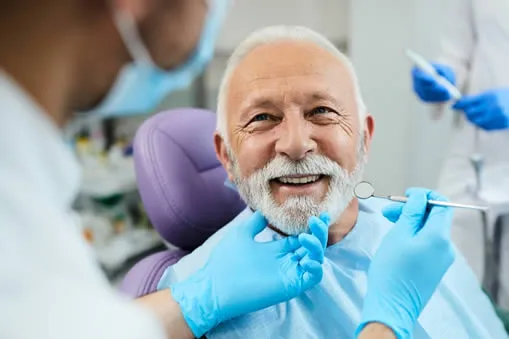
During an oral cancer screening, the dentist carefully examines the mouth, throat, and surrounding tissues for any signs of abnormal growth or tissue changes that may indicate cancer. The dentist looks for any changes in color, texture, or shape of the tissues, as well as any visible lesions or sores. The dentist may also palpate the mouth and neck, feeling for any lumps, bumps, or abnormal growths.
An oral cancer screening is usually done as part of a routine dental exam. In addition, individuals who are heavy smokers or have a family history of the disease are at a higher risk for oral cancer and should be screened more frequently.
Is it time for your oral cancer screening? Call us at Roam Dental to schedule your appointment today.
Expect Questions
During an oral cancer screening, the dentist may first ask the patient about any symptoms they have experienced, such as persistent mouth sores, difficulty swallowing or speaking, or chronic hoarseness. The dentist may also inquire about the patient's lifestyle habits, such as tobacco or alcohol use, as these are risk factors for oral cancer.
Expect a Visual Exam
The next step in an oral cancer screening is a visual examination of the mouth, palate, tongue, gums, throat, and lips. The dentist looks for any changes in color, texture, or shape of the tissues, as well as any visible lesions or sores.
Expect Palpitation
The dentist will then palpate the mouth and neck, feeling for any lumps, bumps, or abnormal growths. The dentist may also gently press on the lymph nodes in the neck to check for swelling or tenderness.
VELscope or ViziLite
The dentist may also use a VELscope or ViziLite system to aid in the detection of abnormal tissue growth. These systems use a special light that highlights any tissue changes that may be indicative of cancer.
Biopsy
If the dentist finds any suspicious areas, they may recommend an oral brush biopsy, which involves removing a small sample of tissue for further testing.
Referral
With any suspicious finding, the dentist will refer the patient to an oral surgeon or oncologist for further evaluation and treatment.
Individuals who use tobacco products, consume alcohol heavily, or have a history of HPV infection are at a higher risk of developing oral cancer. Regular dental check-ups can help detect oral cancer in its early stages. Consult a dental professional for an oral exam as soon as possible if you notice any of the following symptoms:
Oral cancer detected in its earliest stage has an 80%+ survival rate. Screening at every checkup gives you the best possible chance of catching it early.
The entire screening takes just five minutes, requires no needles or instruments, and causes no discomfort — making it one of the easiest tests you can have.
Oral cancer screening is a standard part of every comprehensive exam at Roam Dental — no extra appointment or additional cost required.
A clear screening result gives you confidence in your health. And if something is found, you will be glad you knew early — when treatment options are most effective.
While regular dental check-ups with a healthcare professional are essential for oral cancer screening, it is also important to conduct regular at-home screenings to help detect any changes or abnormalities in your mouth. Here are the steps to conduct an at-home oral cancer screening:
An at-home oral cancer screening is not a substitute for regular dental check-ups with a healthcare professional. If you notice any changes or abnormalities during an at-home screening, it is important to schedule an appointment with a dental or healthcare professional as soon as possible for a thorough examination and diagnosis.
The VELscope system uses a special blue light that highlights abnormal tissue in the mouth. The light causes healthy tissue to fluoresce, while abnormal tissue appears dark. This technology can help identify precancerous and cancerous lesions that may not be visible to the naked eye. The VELscope system is a non-invasive and painless diagnostic tool that can be used during routine dental check-ups.
The ViziLite system is another technology that uses a blue light to detect abnormal tissue in the mouth. A special rinse is used to temporarily stain abnormal tissue, which appears white under the blue light. This technology can also help detect precancerous and cancerous lesions in the mouth. Like the VELscope system, the ViziLite system is a useful diagnostic tool that is suitable for use during routine dental check-ups.
Both the VELscope and ViziLite systems are effective diagnostic tools for the early detection of oral cancer. These technologies can help detect oral cancer in its early stages, when it is more treatable and has a higher chance of successful outcomes. In addition to early detection, these technologies can also reduce the need for invasive biopsies, which can be uncomfortable and costly.
A dental brush biopsy is a diagnostic procedure that is sometimes used to diagnose oral lesions or suspicious growths in the mouth. It involves the use of a small, soft brush that is gently rubbed against the area of concern to collect a sample of cells.
The collected cells are then sent to a laboratory for examination under a microscope to determine if they are cancerous or precancerous. A dental brush biopsy is a minimally invasive procedure that can be performed in the dentist's office and usually does not require any anesthesia.
Dental brush biopsies are often used to diagnose oral lesions that are too small to be seen with the naked eye or that do not appear to be cancerous based on a visual examination. They are also used to monitor the growth of lesions over time and to determine the effectiveness of treatment.
While dental brush biopsies can be a useful diagnostic tool, they are not always conclusive and may need to be followed up with a more invasive biopsy or other diagnostic tests. It is important to discuss any concerns about oral lesions with a dental or healthcare professional to determine the most appropriate course of action.
Here is exactly what happens at your appointment at Roam Dental. Knowing each step makes the experience far less intimidating — and lets you relax knowing what comes next.
These are the questions patients at Roam Dental ask most often before committing to treatment. Dr. Barbu addresses each one honestly at your consultation.
"I don't smoke — I don't need screening"
Oral cancer occurs in non-smokers too, driven in part by HPV and other risk factors. Universal screening catches cancer in patients with no known risk factors. It takes 2 minutes and could save your life.
"Is the screening invasive?"
Not at all. Dr. Barbu performs a visual and tactile exam of your tongue, gums, cheeks, floor of the mouth, and lymph nodes. No needles, no incisions, no discomfort.
"What if you find something?"
A suspicious finding doesn't mean cancer — most turn out to be benign. Dr. Barbu may recommend monitoring, photography, or referral for biopsy. Early detection dramatically improves outcomes.
Every procedure has tradeoffs, and transparent conversation about them is part of informed consent. Dr. Barbu reviews these at your consultation and answers every question before treatment begins.
Oral cancer is curable when caught early, but survival drops sharply when detected only in advanced stages. That is why screening is included at every single exam at Roam Dental — it takes 2 minutes and can save a life.
Risk factors include tobacco use, heavy alcohol, HPV exposure, and sun exposure for lip cancer. But oral cancer also affects patients with none of these — which is why universal screening matters. Every patient is screened at every visit.
Reviewed by Dr. Virgil Barbu, DDS — Roam Dental, Shelby Township, MI.
Anyone can develop oral cancer, but those at higher risk include individuals who smoke or use tobacco products, consume excessive alcohol, or have a family history of cancer.
It is recommended to get an oral cancer screening at least once a year during your routine dental check-up.
No, an oral cancer screening is typically painless and only takes a few minutes to complete.
An oral cancer screening is typically performed by a dentist or healthcare professional, who will examine your mouth for any signs or symptoms of oral cancer.
Yes. At our Shelby Township dental office we offer oral cancer screening to patients in Shelby Township and the surrounding area. Contact our office today to schedule an appointment.
At Roam Dental, we perform oral cancer screening at every routine exam — usually every 6 months. Patients with higher risk factors (tobacco use, heavy alcohol, HPV) may benefit from more frequent checks.
Common signs include sores that don't heal, red or white patches, lumps or thickening of tissue, persistent sore throat, difficulty chewing or swallowing, and unexplained numbness. Call us right away if you notice any of these.
Oral cancer screening is typically included as part of a routine comprehensive exam, which most insurance plans cover at 100%. We will let you know in advance if any additional cost applies.
Medical Disclaimer
This content is for informational purposes only and does not constitute dental or medical advice, diagnosis, or treatment. Oral cancer screening is non-invasive and has no risks. If a suspicious finding is identified, Dr. Barbu may recommend a biopsy or referral to a specialist for further evaluation. Consult Dr. Virgil Barbu or a qualified dental professional regarding any questions about your oral health. Individual results may vary.
Early detection saves lives. Schedule your oral cancer screening at our Shelby Township dental office today.